
Showing posts with label calories. Show all posts

Saturday, 26 March 2016

Bodybuilding on a budget

This next article comes from Adam Foster of Shreddybrek and is all focused on bodybuilding on a budget. Most people think that it costs a lot to eat healthily in general and usually use that as an excuse to binge on less expensive, less nutritionally dense foods. This article should change your mind a little, so without further ado, take it away Adam...

adam foster, shreddybrek, cheap bulking, cheap bodybuilding, low cost food

“Eat Big To Get Big” what a cliché.
We’ve all heard it, and as cliché as it sounds…. It’s true. You can’t gain weight without eating “big”.
But for the “casual” gym goer eating big means eating expensive…. But that doesn’t have to be the case.

Seriously, I’m speaking from experience.
I’m 25 now, but I was once an 18 year old, going to Uni, working part time, paying for bus passes, University books, gym membership, and food.
Whilst I don’t eat like this now, when I was on a tight budget, it worked so well for me.
As a competitive bodybuilder, blogger and YouTube video maker, I get asked the same questions from blog comments, emails, YouTube comments and from guys in the gym.
“How do you afford to eat!?”
“I can’t afford to eat like you, what should I do?”

Truth is, these people just make assumptions about what I eat. Heck, they make assumptions about what all bodybuilders eat.
These assumptions are probably made up from “pro bodybuilders” and what magazines publish.
This is a far cry from the reality of me and you hitting the gym and trying to make some gains.
We don’t have the luxury of having no job. Being paid by a supplement company to train, and compete.
That’s just life.
We need to make the most of our situation. Whether we’re earning £3,000 a year, £30,000 a year or £300,000 a year – there is a way we can all eat, supplement, and workout.

Here are my top tips for eating like a bodybuilder on a budget. All based from my experiences from Uni and beyond!

1.    There’s more to gaining muscle than protein
2.       Buy in bulk
3.       Protein powder is your cheap ass friend – embrace it
4.       Prep in advance, and don’t buy pre-prepared anything

More Than Protein

People often think “to gain muscle eat all protein” completely forgetting about carbs and fats.
My macro breakdown is roughly
50-55% carbs
30-35% protein
10-20% fat
That somehow adds up to 100%....
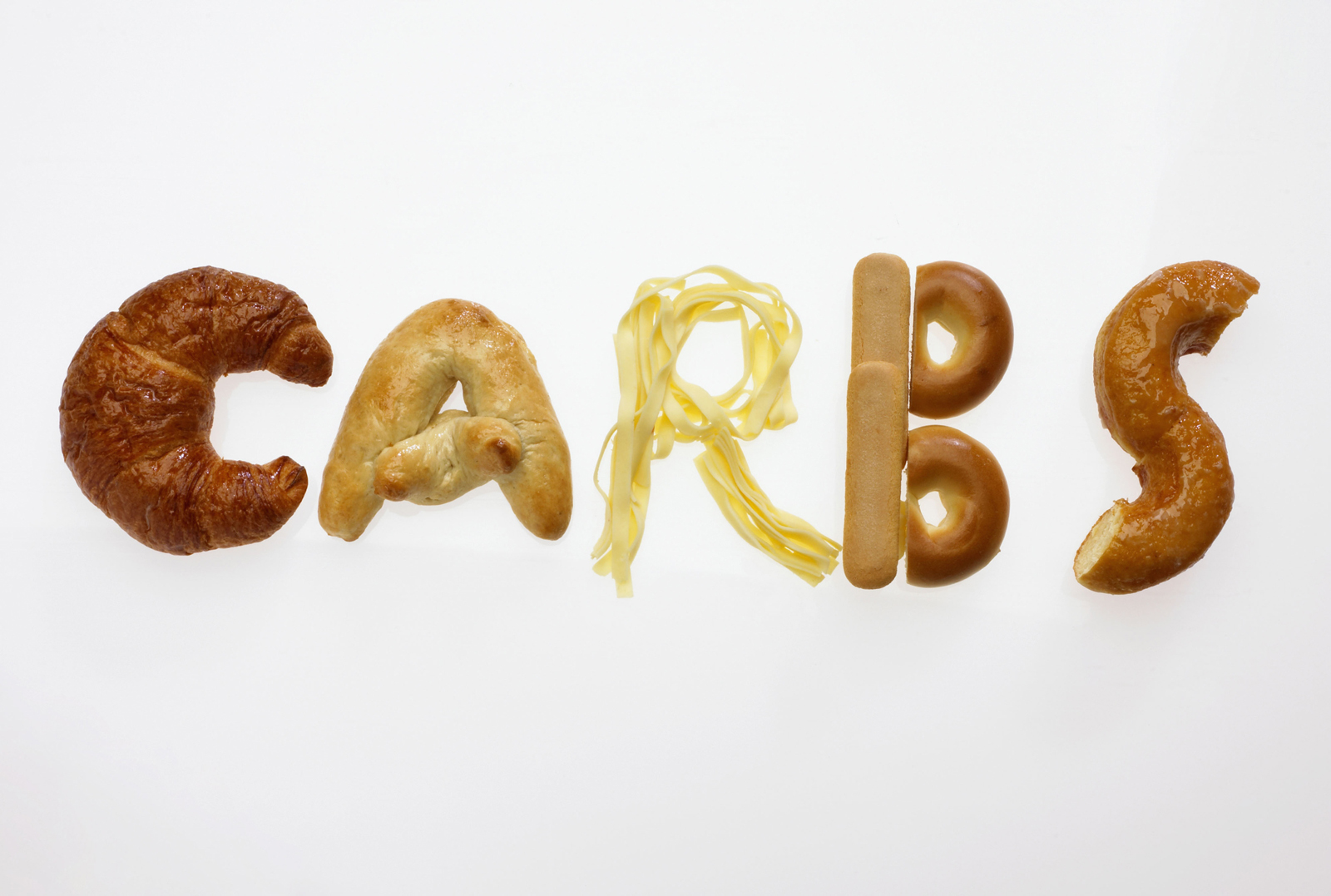
Anyways, as you can see, carbs makes up a large part of my overall macro and calorie intake.
The best thing is …. Carbs are cheap!
carbohydrates, cheap food, cheap bodybuilding, budget, adam foster, shreddybrek


Here are my recommendations for cheap carbs
·         Rice
·         Potato
·         Oatmeal
Aaaand that’s it.
If you’re having 5/6 meals a day – alternate these carb sources so you’re having 2 meals of each.
If 3 carb sources aren’t quite enough for you then you can also throw in these slightly more expensive options;

·         Sweet Potato
·         Ground Rice
·        Cereal
      Cornflakes
      Rice Crispies
·         Rice Cakes
·         Bananas

All are relatively cheap, all are easy to prepare.

Cheap Fats
This is sooooo easy!
Peanut Butter!
A 1kg tub from somewhere like Myprotein is just £4.99.
1kg is “bulk buying” but that leads onto a point I’ll cover later.
You can go for almond butter, cashew butter, or just straight up nuts BUT!
Peanut butter is cheaper, and tastes nicer.

peanut butter, cheap bodybuilding, cheap food, adam foster, shreddybrek


Cheap Protein Sources
The cheapest protein source by far, is whey protein powder. A lot of people think supplements are expensive, and those people buy them from Tesco or Asda.
Seriously, if you’re clued up – you would never ever buy supplements from a supermarket.
You can easily pick up 1kg of whey protein concentrate powder for just under £10.
1kg of whey will give you around 40 servings – each one packing around 20g of protein. BUT if you buy in bulk (which I’ll cover later) then you get them even cheaper. It makes sense – and you know it does.
Protein powder isn’t anything special though. It doesn’t make you gain muscle quicker, or make you stronger. It’s just a source of protein. Think of it as nothing more than this.
Other cheap protein sources include;
·         Whole eggs
·         Tuna
·         Chicken Breast – Don’t buy from the supermarkets. Musclefood sells it for cheap, but you can get it for even cheaper (usually) by striking a deal with a local butcher – if you buy in bulk.
·         Milk
·         Cottage Cheese
·         Ground Turkey
·         Ground Beef
Plenty to pick from there, so you should never get bored.

protein, bodybuilding, cheap food, bodybuilding budget, adam foster, shreddybrek

Buy In Bulk

I cannot stress this enough….. BUY IN BULK!
Chicken breast from Tesco is £8.17 for 1 kg. Here it is: http://www.tesco.com/groceries/product/details/?id=288879417
I get 1kg of chicken from my local butchers for £4.33 …. Almost half the price. BUT to get it for this cheap I have to buy 15kg of it at once, for £65.
I easily get 5 meals out of 1kg. So I get 75 meals for £65. That’s just £0.87 a meal.
You can always go halves with a friend, or just save your cash up, and buy it in 1 go.
You’re going to need it.
The same goes for protein powder.
Lets use Myprotein Impact whey as an example. Its RRP is £12.69 for 1kg here http://www.myprotein.com/sports-nutrition/impact-whey-protein/10530943.html
So for 5kg that would be £63.45
Buy a 5kg pouch and it costs just £46.79. Combine this with a http://cheapproteindiscountcodes.co.uk my protein discount code, and you can get at least an extra 10% off. Sometimes, you can get 30% off. That would make 5kg of impact whey from Myprotein just £32.78.
Again, using the 25g serving size, this means each serving of 20g of protein will cost you under £0.17 a scoop. Lets say you need 2 servings for meal…. You’re getting 1 meals worth of protein for under £0.35.
Butttttttttttttt, if you wanna keep heading to Tesco buying their brands… go ahead ;)
By no means do you have to use MyProtein. I’m simply using them as an example.
I would personally however recommend one of the big, cheap, UK protein bulk suppliers. The following are all well known within the UK, reputable, and offer cheap protein, especially when buying in bulk

·         Myprotein
·         Protein Dynamix
·         Bulk Powders
·         Go Nutrition
·         The Protein Works
·         Bodybuilding Warehouse

All of these companies offer a very similar level of quality, at similar price points. Shop around to find the best discounts, offers or prices, and then stick with a brand.

(Note from Alex - JBC Nutrition is also a great bulk protein supplier, use the code JBCALEX04 at checkout for 10% off)

protein powder, cheap protein, bodybuilding budget, adam foster, shreddybrek

Prep

In the words of Chris Jericho
“Never Ev….ev….eeeevvvvvvvvvvvvvveeeeeerrrrrrrrrrrrr” buy pre prepared food. Microwave rice is £1.50-£20 for 1 pack which will do you 1 meal.
1 kg of raw, uncooked rice in comparison, can be picked up for around £1.50 – and easily give you 10 meals minimum.
1 of my rice meals is only 70g raw rice. This means a 1kg bag is giving me 14 servings. Assume a £1.50 price tag, and that means im getting each rice meal for around £0.11
But preparing goes beyond food prep.
You should;

·         Establish macros
·         Draw up a meal plan
·         Write a shopping list
·         Stick to this

This means you won’t deviate from the plan, buy food and waste it.

bodybuilding, meal prep, healthy food, adam foster, shreddybrek

Wrapping Up

As you can see, this article has shown you can bodybuilding on the cheap.
It has contained no fancy, expensive supplements. Hell, the only supplement it contains is a protein powder.
It contains no expensive or extravagant foods. Just basics.
Apply these tips to your own diet, and start fueling the gain train, with the cheapest, but best fuel, available.
You can follow me at


Sunday, 28 February 2016

Meet the coaches: Mike Samuels

This is a post that I'm extremely excited to share with you. You've probably seen me write a lot about Mike Samuels, or Healthy Living, Heavy Lifting. I've been an avid follower of his for a while now, and much of the content that I produce is based on experiences that I've had after following his articles and acting on many of the suggestions that he makes. In my opinion, he's nothing short of a genius with an awesome writing style, and to top it all off - he's a great guy. So without further ado, let's learn a little more about the man himself!
health, fitness, workout, training

Q: Sum up yourself and what you do.
A: I'm Mike - an online coach, writer and personal trainer from England. I like eating, lifting heavy stuff, and helping others to feel better about themselves.
Q: Tell us a little about your background. Have you always been health and fitness oriented? Have you always been a coach? If not, tell us about what you did before and why you wanted to become a coach.
A: I was always the chubby kid at school and got pissed off with that, so I started running.
I ran myself down from a podgy 15-stone to about 9-stone, while following a low-fat diet. Essentially I got skinny! Then I discovered weights and decided I wanted to be a personal trainer. The only non-fitness jobs I've had were a paper round at age 14, and I did 6 months in a DIY store part-time while I was at college. I started as a full-time PT in 2009, got involved in online coaching in 2014, and have been mostly online since then.
Q: As a coach, what are the key things that you try to instil in your clients?
A: Life comes before diet and training ... ALWAYS.
Q: Have you ever competed in any bodybuilding/powerlifting/sport related competitions?
A: Yup. Last year I competed in both men's physique and bodybuilding, so had to strut my stuff on stage in skimpy pants! I also competed in 5 powerlifting competitions between 2012 and 2014, and am looking at getting back into it later this year
Q: Describe your own training style/approach
A: That's a tough one. I actually prefer not to have to think about my own training, hence I hire someone to program for me. But I suppose I like a mix of heavy stuff and pump work, along with basic powerlifting and "bro stuff." (because who doesn't love curls and pushdowns?)

Q: Who is your biggest inspiration? (Fitness or otherwise) and why?
Okay, these questions just get tougher.
I guess two guys - Nate Green and Jon Goodman - got me passionate about wanting to help loads of people, and live a cool life with purpose.
Q: What would be your words of advice to anyone just starting out?
A: Just do the basics really, really well. Pick a few people to follow, and whatever you choose to do, stick with it. An average program and diet done consistently and with intensity will always get better results than chopping and changing between the latest fads.
Q: Team HLHL is picking up speed and growing rapidly, are there any new projects on the horizon off the back of this success?
A: Plenty more ebooks, potentially a membership site and world domination.
(Two of those are true by the way.)
*Author's note - I have it on good authority that Mike has already invested in a death ray to hold the world to ransom.
Q: Are you currently affiliated with any brands?
A: Nope - I prefer to advise people on different products from a completely unbiased standpoint.
Q: Any favourite/recommended supplements?
I'm a big fan of the Protein Works - they're a UK-based company, and have grown rapidly in recent years but still have a nice personal touch.
Q: As an IIFYM'er, you're always experimenting with foods, what are your staple foods/what's your favourite meal to make at the moment?
Tuna, rice and broccoli.
Or protein sludge mixed with plain vanilla ice cream, digestive biscuits and sea salt.
healthy living heavy lifting, health, fitness, workout, muscle, blog

So, there you have it - you're hopefully a little more familiar with Mike now. Why not head over to his website (link at the bottom of this article) and check his social media channels out to learn some more and get access to the amazing content that he's currently sharing with the world?

I'd also like to thank Mike for taking the time to answer a few questions for Muscle and Macros. You, sir, are a gentleman and a scholar. 


Tuesday, 23 February 2016

How to structure a workout

Workouts are a great tool in terms of weight loss, muscle gain and generally living a healthier lifestyle. That being said, there is a difference between strolling into a gym and randomly jumping on any piece of equipment that takes your fancy, leisurely throwing out a few reps then leaving, and structuring a training session to ensure that you get the most out of each and every minute that you spend in the gym. This article is just going to run through a basic structure that could go a long way in helping you to achieve more from your sessions. It boils down to this:

Warm Up
  • 5-10 minutes slow jogging, rowing, cycling etc 
  • Mobility work (focus on any problem areas)
  • Activation work
Main Event
  • Warm up sets
  • Working sets (Strict rest times)
Cool Down
  • Stretching
  • Foam rolling
health, fitness, warm up, nutrition, training
Image credit - relentlessgains.com

Firstly, let's start with the warm up. As I've said in previous pieces, warming up is an incredibly important factor in a training session. It gets blood flowing through your muscles, mobilises your joints and muscles and prepares your body for the exercises in the session ahead. There are various sources out there that can provide you with great warmup routines and videos explaining various stretches etc. Again, there's a lot of information and links that can be found here.

health, fitness, crossfit, weightlifting, training
Image credit - gameplan.com
Then there's the main event - the actual workout. Even though you've already warmed up, it's always good to get some warm up sets in before you hit your working sets. Before each workout, think about the weight that you want to lift for each exercise. Perform your warm up sets as percentages of that weight. For example -

  • 10 reps at 40% of target weight
  • 8 reps at 60% of target weight
  • 6 reps at 70% of target weight
  • 4 reps at 80% of target weight
  • 2 reps at 90% of target weight
It might seem like overkill, but these reps will ensure that your muscles are sufficiently warmed up, will minimise the risk of injury and will contribute to the overall volume of your workout. Bottom line - they're important. 

Then there's your working sets, these need little to no explanation. Just perform each exercise for the set amount of weight, reps and sets that you've defined before your workout. The only thing that I'd ensure you keep track of is the time that you've taken to rest between sets. Here are some rough guidelines for rest in terms of the type of sets you're doing. 

  • Strength sets - 90-120 seconds between sets
  • Hypertrophy (higher rep) sets - 60-90 seconds between sets
  • Power (low weight, low rep) sets - 45-60 seconds between sets
stopwatch, time, fitness, health, workout
Image credit - stopwatch.onlineclock.net

After that, you've got your cool down. This can take a very similar form to your warm up - just make sure that you're stretching your muscles out and working out any knots or kinks that may have formed during your session. 

So that's an extremely basic, but efficient way of structuring your workout. Dubious? Try it out and let me know how you get on by getting in touch with me on social media using the buttons below, or dropping a comment in the comments section! 
twitter, health, fitness, blog, writing, rugby instagram, health, fitness, muscle, nutrition, blog, writing

Thursday, 18 February 2016

Using MyFitnessPal to Track Calorie Intake

In my last post I explained the basics behind calories and macronutrients, and provided you with a link to a calculator which would help you to calculate your own intake. Those numbers are great to have, but there's also got to be a way of tracking the foods that you eat in order to actually make use of those numbers. Enter MyFitnessPal:

food, calories, fitness, myfitnesspal, blog
Image credit - www.kent.edu


MyFitnessPal is an app that can be installed on any smartphone or tablet, or even just used as a web app as a means of tracking calories and macronutrients. It has an absolutely massive database of foods which can be searched for. If you're using a smartphone, you'll usually be able to scan the barcode of your food and the app will pull up the nutritional data for it.

The only issue with the app is that it tries to dictate what your calorie and macronutrient intake should be. This is just something that you have to ignore when using the app. Use the Macro calculator that I linked to in my last article to get your numbers for calories and macros, and then input those numbers into your app through the 'Calorie and Macronutrient goals' field, which can be found under the 'Goals' tab of MyFitnessPal.

Unless you purchase the full version of the app, you'll be forced to set your macronutrients as percentages of your calorie intake. Try and manipulate your percentages to be as close to the numbers that you were given by the calculator and set them up. My advice after this would be to purely use the app as a tracking tool through the use of the 'Nutrition' tab. Basically, make a note of the numbers that the calculator gave you, use the numbers on the left hand side of the nutrition tab as a guideline, and check those two sets of figures against each other instead of using the numbers on the app. 

health, fitness, myfitnesspal, nutrition


The last thing that I will say about using MyFitnessPal, is that its up to you to keep yourself accountable. Track with honesty and accountability and stick to your numbers, and you'll find that you're on a sustainable path to your goals.

If you'd like to chat to me about this article, or you've got any feedback then you can get in touch with me on social media through the buttons below. If you don't have Twitter or Instagram then just drop a comment on this post and I'll get back to you!
twitter, health, fitness, blog, writing, rugby instagram, health, fitness, muscle, nutrition, blog, writing


Monday, 15 February 2016

Calories and Macronutrients - The Basics

In a lot of my posts I talk about nutrition and regularly reference things like 'macros', calories, IIFYM, flexible dieting etc. It has only just dawned on me that I'm excluding a lot of people and assuming that everyone is already clued in on the details of nutrition. So for that, I should apologise. However, instead of apologising, I'm going to dedicate this post to explaining the real basics of calories and macronutrients. I'll start with calories.

calories, nutrition, fitness, health, blog
Image credit - www.mhpersonaltraining.co.uk
Calories are the fuel on which your body runs. Overall, they're the one set of numbers that you should always be looking at if you're serious about your nutrition. Whether its weight loss, weight gain, or maintaining weight; calories are important. There are too many 'experts' and nutritional zealots in the industry today proclaiming that calories aren't important. This is complete and utter rubbish. Yes there are schemes that help people to lose weight and they don't mention calories at all. People even lose weight on these schemes, but I guarantee that when they do, they're in a calorie deficit due to restricting some high calorie foods. Yes I'm looking at you guys on Slimming World - all of those 'Syns' that you're told to stay strict on are high in fat. You'll realise why its important to cut those down when I talk about macros later on.

Everyone will have their own specific number of calories that is needed for them to gain, lose or maintain weight. Usually these numbers will depend primarily on your height, weight, activity level and age (there are many other factors that can be used to really hone in on those numbers but the ones listed are the basics and good enough to get you a reliable result). I've explained this in another articles, but the basics behind weight loss, gain or maintenance in terms of calories boils down to the following:

Calories consumed > Calories burned = Weight Gain

Calories burned > Calories consumed = Weight loss

Calories Burned = Calories Consumed = Maintain weight

Don't let anyone tell you different, your caloric intake for each day is extremely important, and you can't trick the science of it with any wonder supplements or by pretending that they don't exist. 

Macronutrients

So now you have a basic idea of calories, let's talk about the building blocks behind those numbers. Those building blocks are known as macronutrients, or macros for short. They consist of Protein, Fats, and Carbohydrates. Any food with a calorie content will contain a mix of those macronutrients. As calories are calculated through the use of numbers, so are macronutrients. Here's how those numbers look - 

Protein - 4 calories per gram

Carbohydrate - 4 calories per gram

Fat - 9 calories per gram

By that logic, 25 grams of carbohydrates would be 100 calories, 25 grams of protein would be 100 calories, and 11 grams of fat would equal 99 calories.

health, fitness, calories, nutrients, blog, workout
Image credit - www.joshwalliecoaching.com

For any Slimming World followers - that's why your syns are all fat heavy foods. By reducing foods that are high in fat, you're reducing the foods that are most calorie dense and therefore increasing your chance of being in a caloric deficit. 

In terms of calculating your own personal calories and macronutrients, I could give you a way of calculating those numbers but I'd just be taking credit for someone else's work. Instead, I'm just going to give you a link to my man Mike Samuels' Macro calculator on his Healthy Living Heavy Lifting website. 


That article will give you everything that you need in terms of calculating calories and macronutrients. The Healthy Living Heavy Lifting blog is also a great source of information, so if you head over there then spend a little bit of time browsing through the other articles. 

If you'd like to get in touch with me regarding these articles then you can find me on social media through the buttons below, or drop a comment on this article and I'll get back to you!
twitter, health, fitness, blog, writing, rugby instagram, health, fitness, muscle, nutrition, blog, writing